
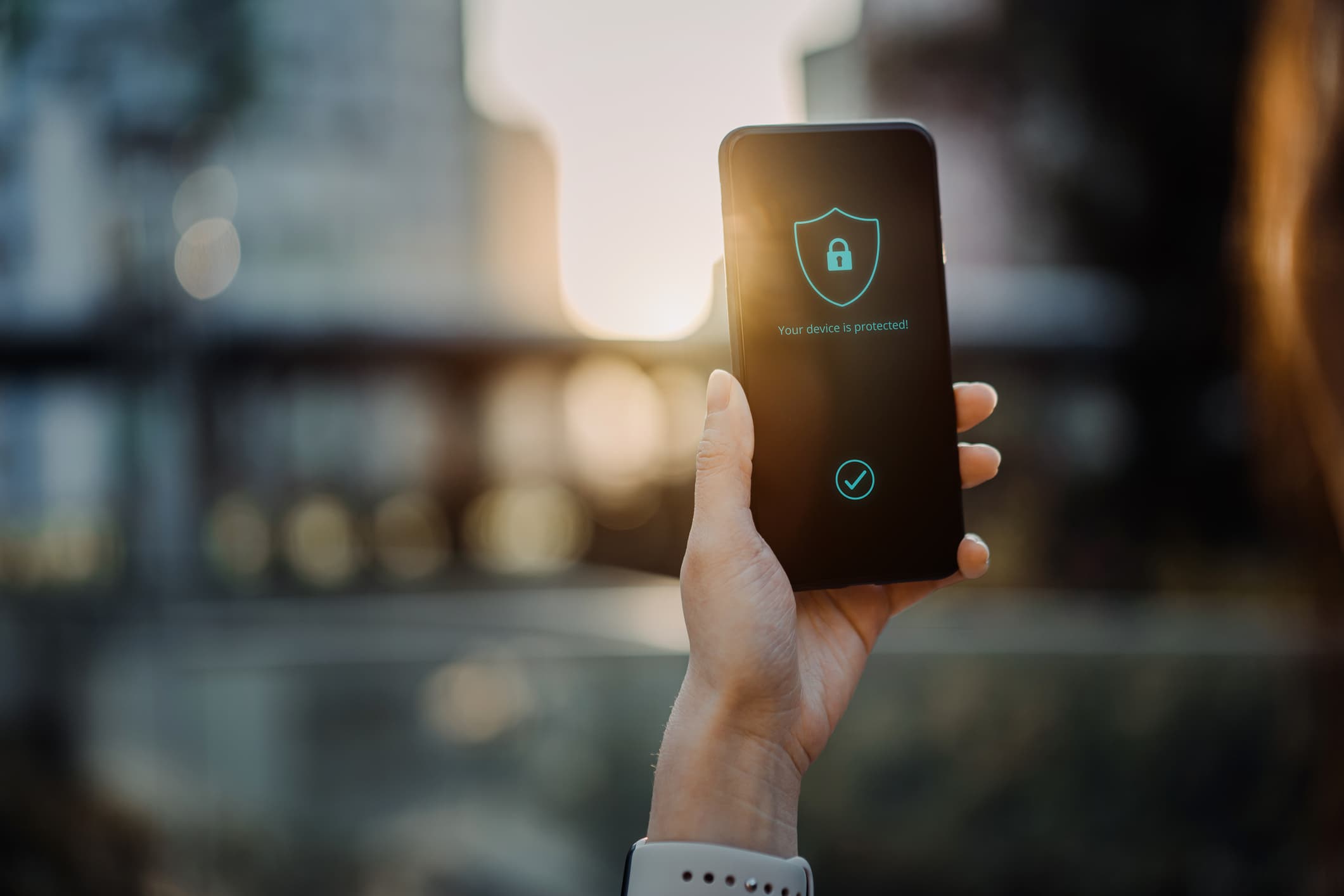
Have you ever considered how securing your website is akin to locking your front door? In the digital neighborhood, an SSL certificate acts as your website’s deadbolt, safeguarding information and building trust. Understanding SSL is crucial, especially if you’re considering creating a trustful website for you or your business. Let’s dive into the world of SSL certificates and see why they’re a key player in web security.

What is an SSL Certificate?
An SSL (Secure Socket Layer) certificate is like a digital passport for websites. It establishes a secure connection between a user’s browser and the server, ensuring that all data passed between them remains private and integral.
In simpler terms, it’s like having a confidential conversation in a crowded room, where no one else can eavesdrop. This is indispensable for any website, but especially for those handling sensitive information like passwords, credit card numbers, or personal data.
SSL in Action: How Does It Work?
Imagine SSL as a protective tunnel through which data travels across the internet. When you visit a website with an SSL certificate, your browser checks if the certificate is valid and trustworthy. If everything checks out, a secure connection is established using encryption. This means any data sent through this connection is scrambled into an unreadable format, only decipherable by the intended recipient. It’s like sending a coded message that only the person with the right decoder can read.
SSL Hosting: The First Step to a Secure Site
If you’re hosting your website, incorporating SSL is a no-brainer. Many hosting services, including Turbify.com, offer SSL as part of their hosting packages. This is known as SSL hosting. It’s a hassle-free way to ensure your site is secure from the get-go. Some providers offer ‘SSL included’ hosting, where they manage the SSL certificate for you, taking one more thing off your plate. This is a great option for those who want security but might not have the technical know-how to implement it themselves.
Getting Certified: How to Get an SSL Certificate
So, how do you get this digital deadbolt for your website? The process involves obtaining a certificate from a Certificate Authority (CA). This can be done through your hosting provider, like Turbify.com, or directly from a CA. They will verify your identity and the legitimacy of your website before issuing a certificate. It’s like getting a background check to ensure you are who you say you are.
The Price of Security: Are SSL Certificates Free?
When it comes to SSL certificates, you have options. Free certificates are available, perfect for blogs or personal websites. However, a paid certificate might be more appropriate for businesses, especially those involved in e-commerce. These often come with additional features like greater warranty and support. Think of it as the difference between a standard deadbolt and a high-security lock system. Both do the job, but one offers a bit more peace of mind.

Locking Up!
SSL certificates are an essential part of web security. They protect sensitive data, build trust with your visitors, and can even boost your site’s SEO ranking. Whether you opt for a free certificate or a paid one, the important thing is that you secure your site. Platforms like Turbify.com make this easier than ever, offering SSL hosting to ensure your site is safe from day one.
As we lock up our conversation on SSL certificates, consider the security of your own website. Is your digital deadbolt in place? If not, it might be time to explore your options.
Head over to Turbify.com to see how we can help you secure your site. Remember, in the digital world, security is key!